MATSYA L.S.A KHERLI — प्रायोगिक एवं मैदानी प्रशिक्षण
In animal healthcare, practical dexterity is as critical as theoretical knowledge. A Livestock Assistant must possess the calmness and skill to safely approach a nervous animal, examine vital indicators, support a veterinary surgeon during minor procedures, and guide livestock farmers with confidence.
At MATSYA L.S.A KHERLI, regular lab sessions and guided dairy farm visits ensure that students encounter real-life veterinary scenarios, master instrument sterilization, and practice essential animal care protocols under expert supervision.
From measuring cattle vital signs to clean milking techniques and goat health camps, our trainees gain immediate practical confidence.
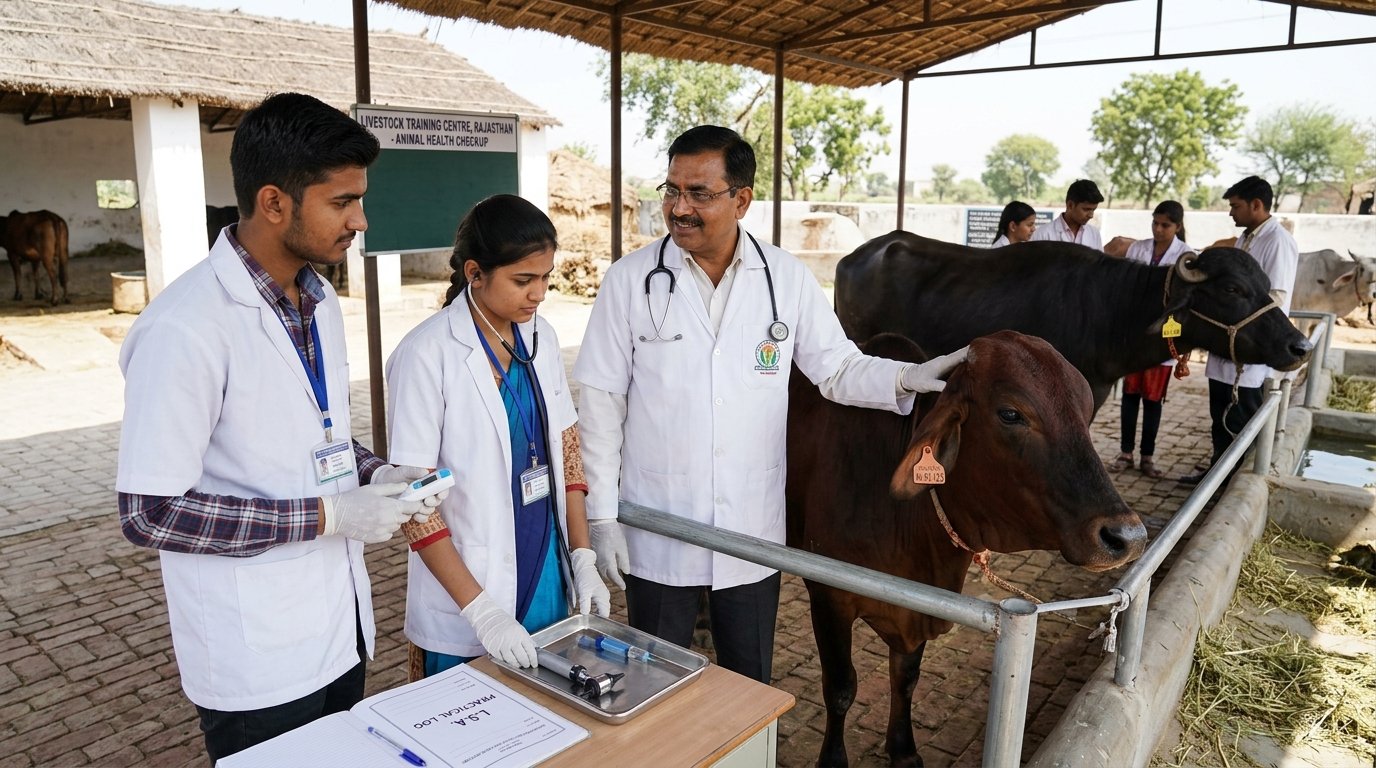
Live practice on measuring temperature, pulse, ruminal movement, and assisting doctors in field examinations.
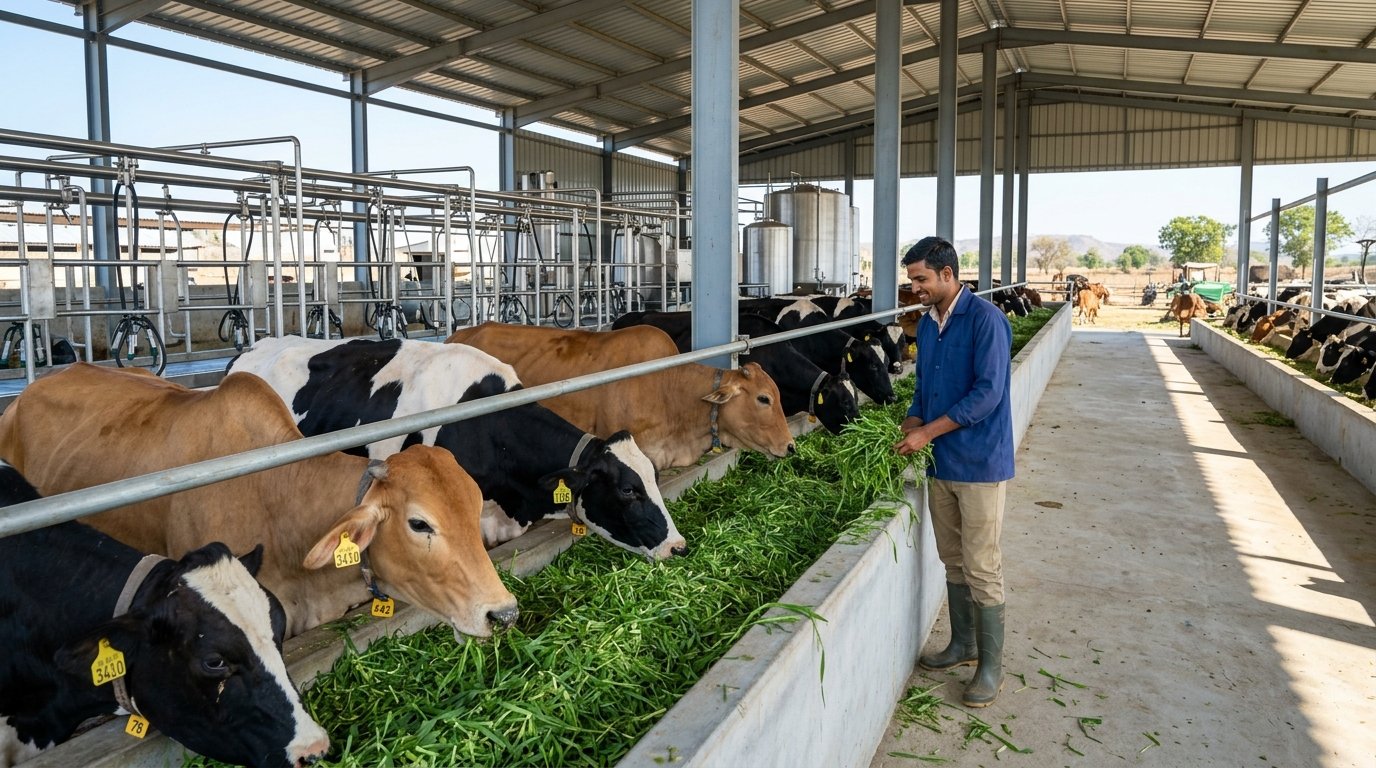
Live training in clean milk production, green fodder feeding, cow health monitoring, and dairy parlor sanitation.
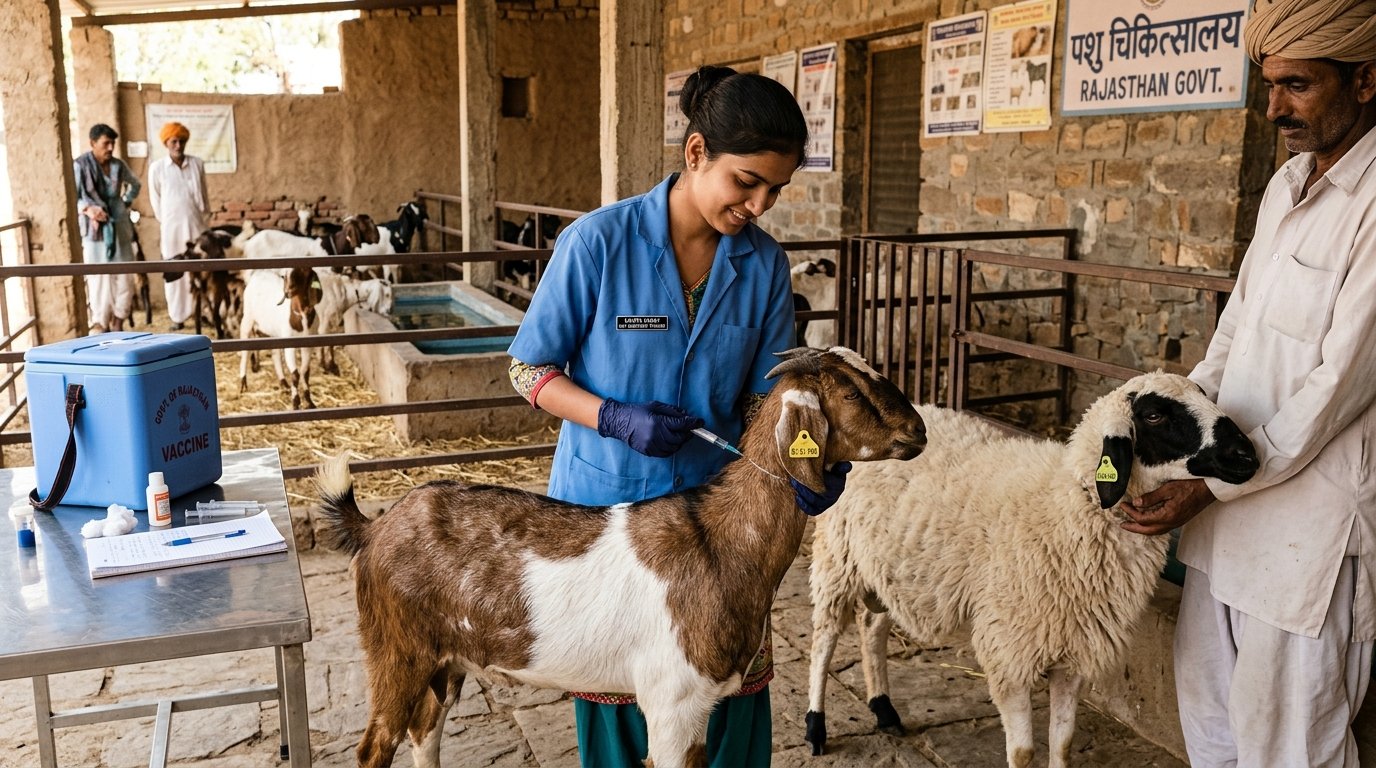
Direct exposure to goat vaccination, sheep ear tagging, deworming, and managing rural veterinary health camps.
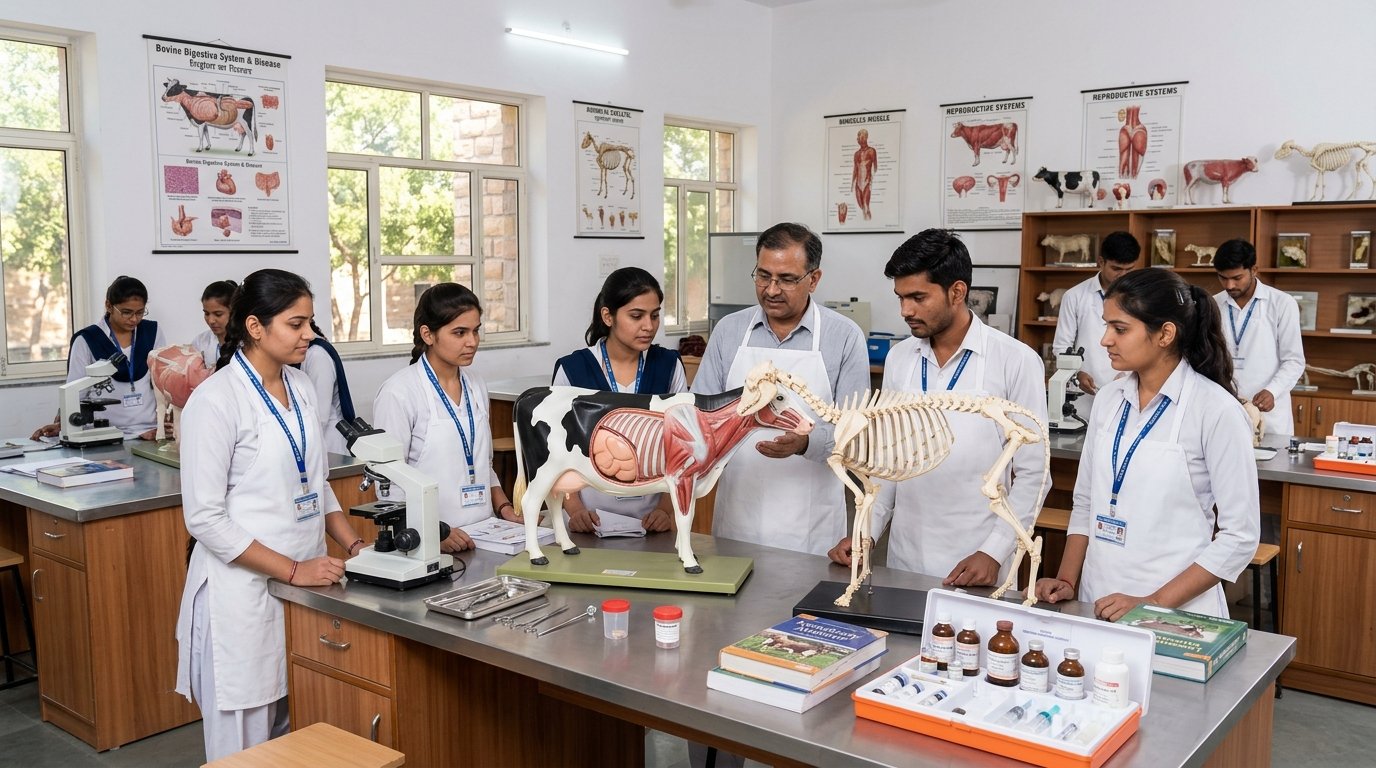
Detailed exploration of bovine digestive and reproductive models, bone structures, and medicine kits.
Gentle approach, securing cattle with halters, rope casting (Reuff’s method), bull nose-ring control, and small ruminant inspection.
Clean milking practices, strip cup testing, post-milking teat dipping, grooming, and neonatal calf nursing with colostrum.
Sterilizing surgical packs, dressing lacerations, assisting veterinarians during physical examination, and monitoring vital signs.
Weighing daily rations, preparing mineral supplement premixes, operating chaff cutters, and silage pit management.
Sanitizing sheds, lime washing, applying disinfectants in footbaths, fly control, and safe placenta and bio-waste disposal.
Administering oral dewormers using dosing guns, spray dipping for ticks, and vaccine cold-chain box maintenance.
Breeding record keeping, heat detection signs, artificial insemination gun preparation, and body condition scoring.
Hoof trimming to stop foot rot in sheep, ear-tagging, wool shearing demonstrations, and chick brooding temperature control.